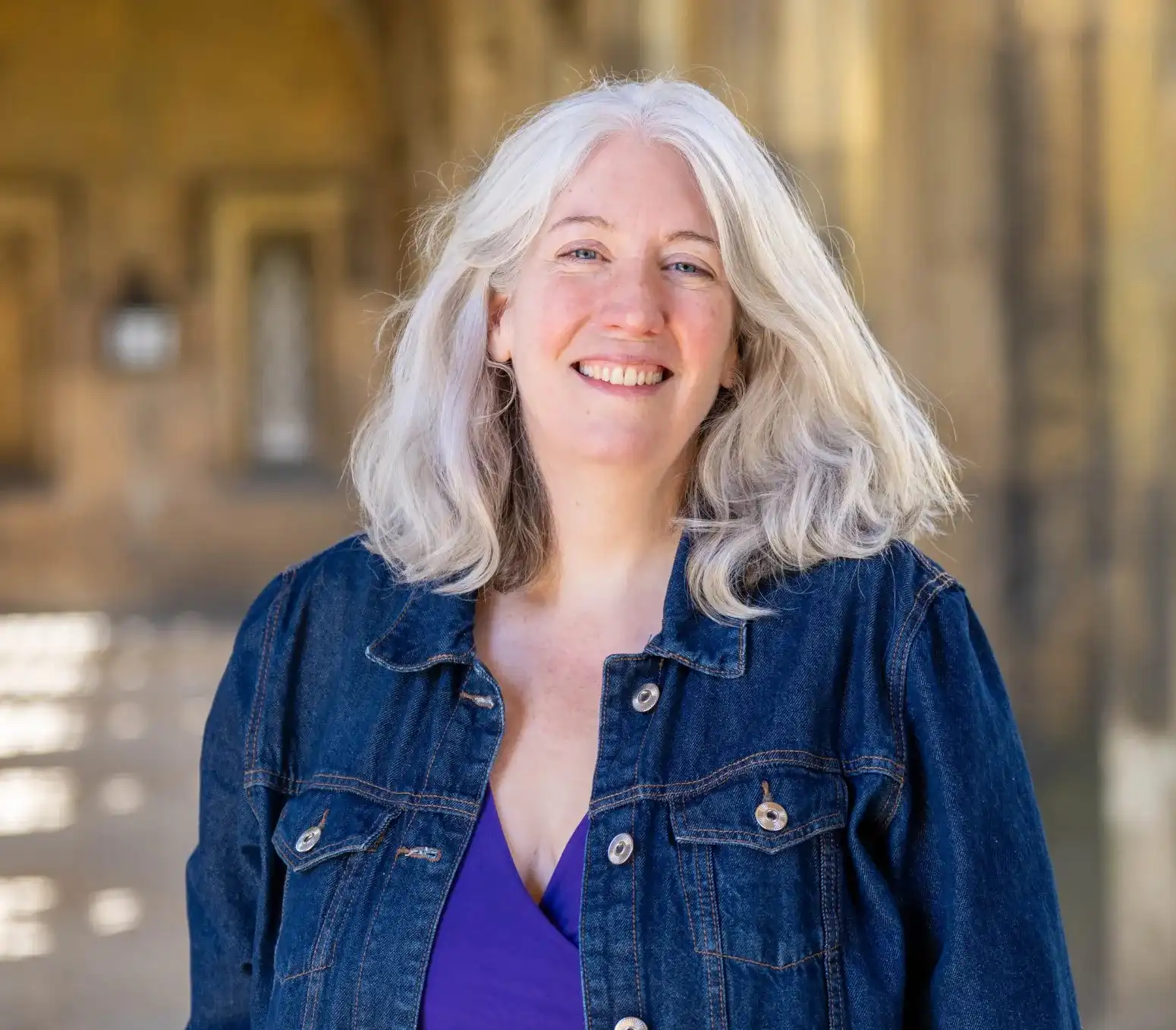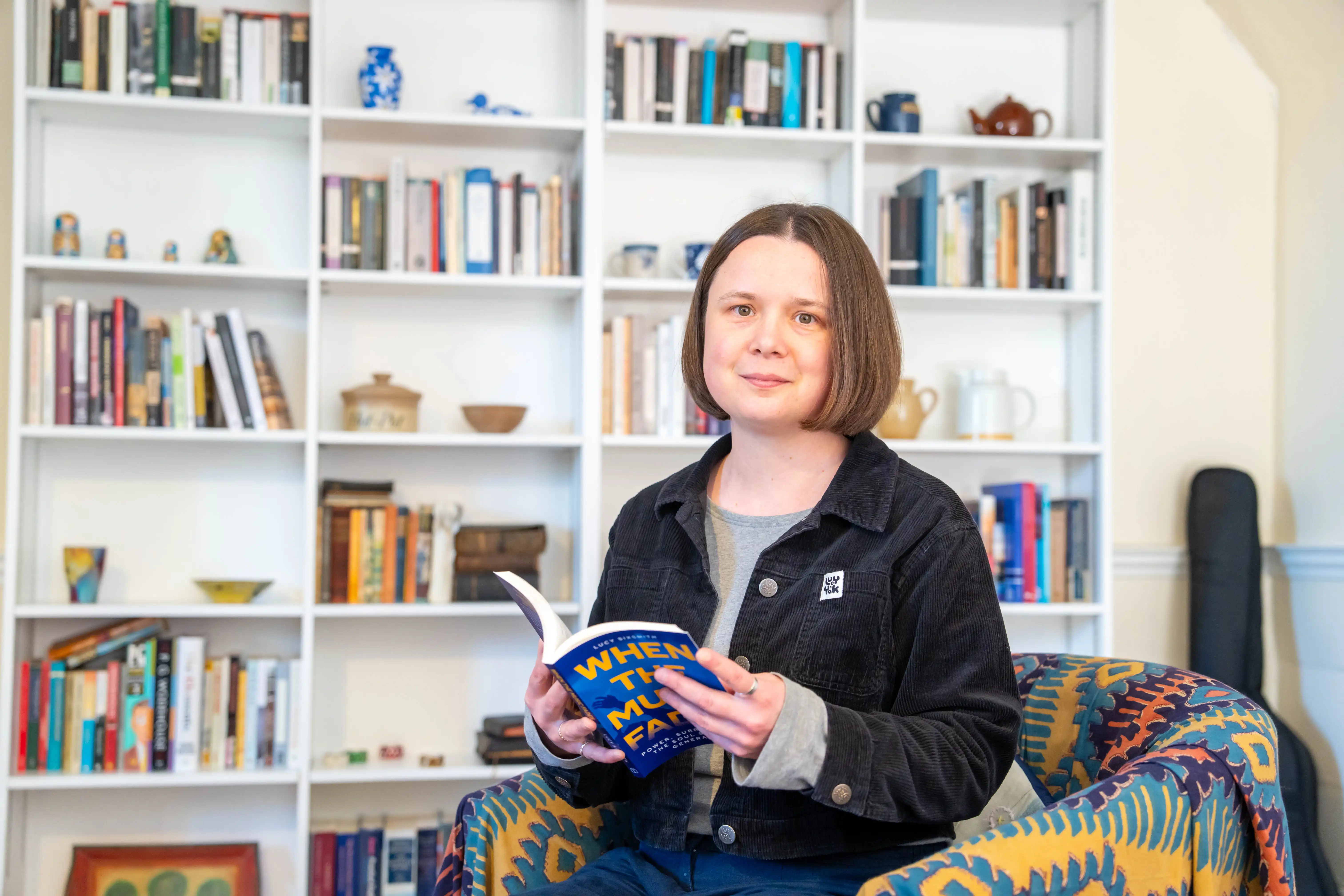
Dr Lucy Sixsmith, a Research Fellow in English, attended a charismatic church as a child and every year went to Soul Survivor, a highly respected five-day summer festival for young Christians from across the UK.
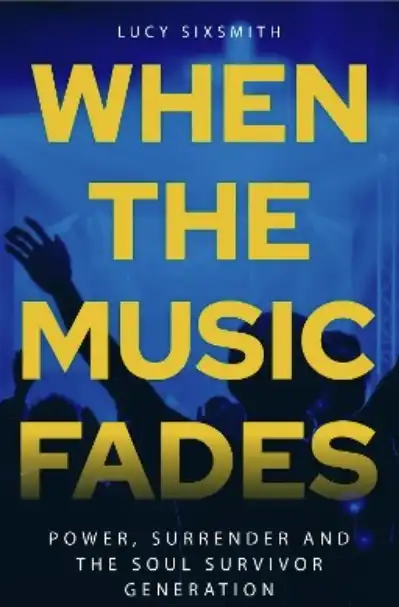
Now, two years after allegations against the festival founder of inappropriate behaviour hit the press, Sixsmith raises questions about charismatic church practices in the newly-published When the music fades: Power, surrender and the Soul Survivor generation.
Her book is a response to discussions about abuse and safeguarding in religious organisations and a reflection on charismatic worship, teenagerhood and ‘what happens when you grow up thinking you’re supposed to be a history maker’.
A charismatic church is a Christian church that emphasises direct experience of the Holy Spirit through emotionally expressive worship, prayer, and spiritual gifts such as healing, prophecy and speaking in tongues.
“We need to be asking questions about culture and the theology in these charismatic spaces, how we think about what a church is, how worship happens, and how leadership happens. Because we can have healthy organisations that look after people and are well organised,” said Sixsmith.
In April 2023 Soul Survivor founder Mike Pilavachi resigned his ministry over safeguarding concerns and, in 2024, both a review by the Church of England and an independent report commissioned by trustees of Soul Survivor substantiated claims of misconduct, which included emotional, spiritual and physical abuse of young men.
Pilavachi, who was stripped of his MBE appointed in 2020 for services to young people, was the driving force behind the movement that inspired ‘the Soul Survivor generation’ to embrace charismatic evangelical practices.
“Anyone can come along and start a church, but what should safeguarding look like in that context? People can be vulnerable because they are looking for a meaningful way to be in a community and worship God, to be a part of something bigger, and make sense of the universe,” said Sixsmith.
“My book aims to provide a space for the ‘Soul Survivor generation’ to reflect on their own experiences, those who might have been hurt by the fact they thought the festival was a safe, normal, healthy space.”
Soul Survivor began in the 1990s and was attracting more than 30,000 young people by the time it ended in 2019. Featuring live mass worship, music and services, Bible teaching and camping at various locations in the UK, it was intended to give youngsters from 12 upwards the chance to experience charismatic Christianity.
Sixsmith spent exhaustive hours as a teenager and young adult, attending and organising evangelical worship and outreach events. “A song performed at Soul Survivor called History Maker has the lyrics, ‘I’m going to be a history maker in this land, I’m going to be a speaker of truth to all mankind’,” she said.
“We were young and idealistic. It was intense, there was a lot of pressure to be special, to change the world, to be chosen by God, to surrender to the Holy Spirit. When you didn’t, you wondered why and felt a failure, and if you did, you were reacting in front of thousands of people at a festival, whether you were crying, laughing or shaking. It was deep and affecting as a child to grow up in that culture and, when the safeguarding stories first came out in 2023, it made me reassess my experiences.
“The book is a mixture of my memories and thinking about what that world is like, trying to recapture the experience for people who were similarly brought up, to try to convey what it’s like to be in a charismatic worship service and what impact that can have on young people.”
The mythology behind Soul Survivor was that God had brought it all together, that it was ‘magical’ – which made those experiencing it less likely to question or criticise it. “It’s a kind of control in itself,” said Sixsmith.
“I hope When the music fades will broaden debate about the practices of charismatic churches – and what happens when the music and intensity stops and young people go out in the world as adults, without necessarily having the tools to function in it effectively.”