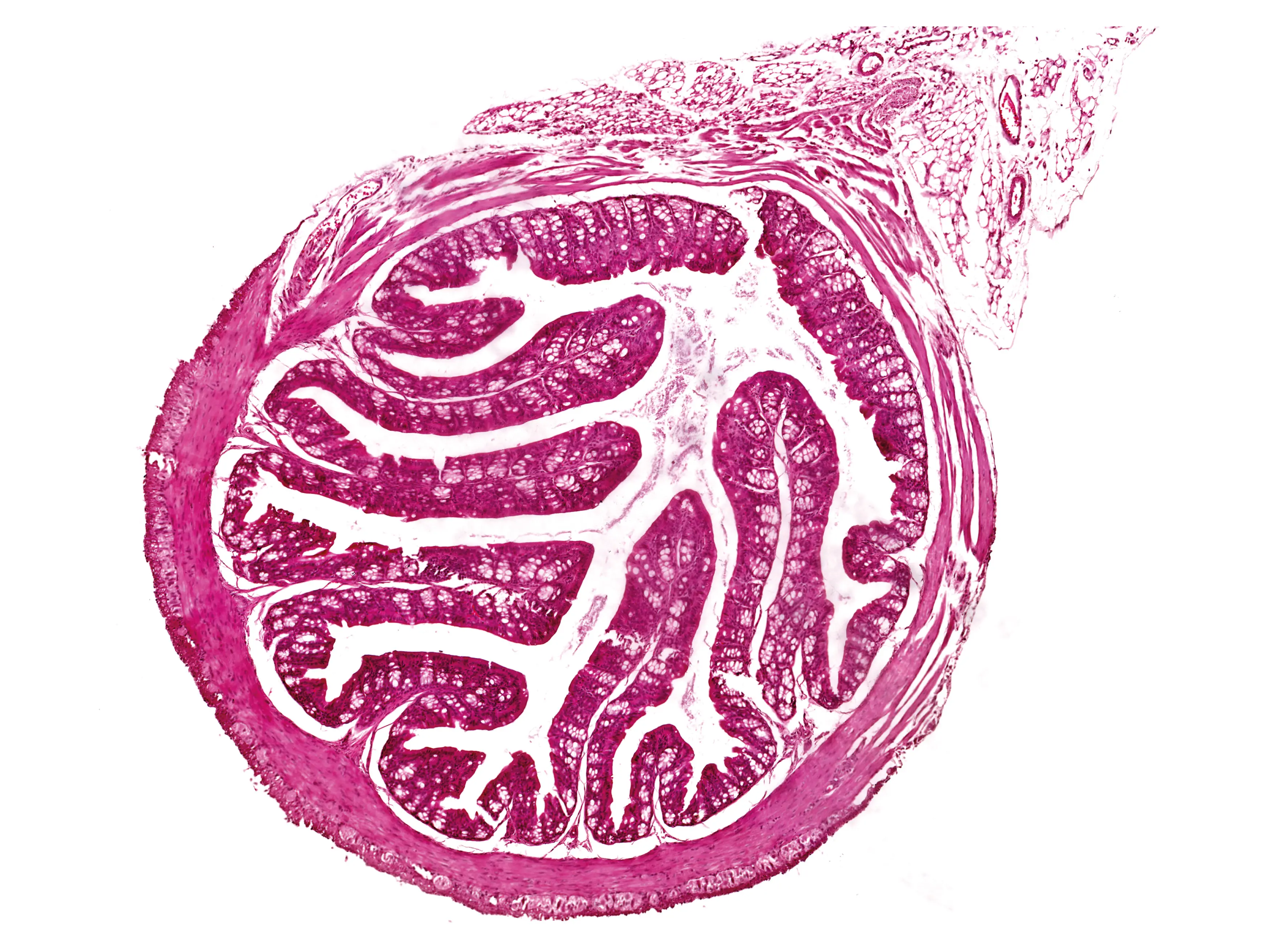
Pregnant women with plenty of 'good' gut bacteria may have stronger, healthier pregnancies, according to new research.
For the first time, scientists have shown that beneficial bacteria helps regulate placental hormones essential for supporting a developing baby.
Professor Amanda Sferruzzi-Perri, a Fellow of St John’s, whose research team led the work, says the discovery paves the way for testing the mother’s gut microbiome – the ecosystem of microbes that live in the intestines – to identify pregnancy complications early.
“Our research reveals a whole new layer of information about how pregnancy works and will help us find new interventions that can improve the chances of a healthy pregnancy for mother and baby,” said Professor Sferruzzi-Perri, University Professor in Fetal and Placental Physiology at the Department of Physiology, Development and Neuroscience, and College Lecturer in Physiology and Reproductive Biology at St John’s.
She is senior author of the study, which is published today (7 October 2025) in the Journal of Translational Medicine.
Pregnant women’s microbiomes could be manipulated with probiotics to improve the chances of a healthy newborn and help avoid conditions including cerebral palsy in infants, and anxiety, depression, autism and schizophrenia in later life.
The placenta is a crucial organ during pregnancy that connects mother to fetus, and provides the nutrients, oxygen and hormones essential for healthy development of the baby.
Researchers compared the placentas of mice with no gut bacteria to those of mice with the gut bacteria Bifidobacterium breve in their gut during pregnancy.
Pregnant mice without Bifidobacterium breve in their gut had a higher rate of complications including fetal growth restriction and fetal low blood sugar, and increased fetal loss.
This gut bacteria seems to play a crucial role in prompting the placenta to produce pregnancy hormones that allow the mother’s body to support the pregnancy.
“Our results open up an entirely new way to assess the health of a pregnant mother and her developing fetus by looking at the mother’s gut microbiome,” said Dr Jorge Lopez Tello, first author of the study.
“Everybody ignores the placenta – after nine months of pregnancy it just gets thrown in the bin. But now we understand more about how it works, in the future pregnancy complications like gestational diabetes, preeclampsia, miscarriage and stillbirth might be prevented simply by adjusting the mother’s gut microbes to improve the function of the placenta.”
By studying mice, whose diet, activity and gut microbiome could be tightly controlled, the scientists can be sure their findings are not caused by other factors. Using mice allowed them to pinpoint the importance of Bifidobacterium breve – a finding also relevant to human pregnancies.
Bifidobacterium breve occurs naturally in the human gut microbiome, but in pregnant women the levels of this ‘good’ bacteria can be altered by stress or obesity. It is widely available as a supplement in probiotic drinks and tablets.
The babies of up to 10 per cent of first-time mothers have low birth weight or fetal growth restriction. If a baby doesn’t grow properly in the womb, there is an increased risk of them developing health conditions.
University of Birmingham’s College of Medicine and Health was also involved in the research, funded primarily by Wellcome.
Lopez-Tello,J. et al: ‘Placental endocrine function is controlled by maternal gut Bifidobacteriumin germ-free mice.’ Journal of Translational Medicine, October 2025. DOI:10.1186/s12967-025-07198-4.