Scientists have unveiled a new approach to developing medicines that could tackle several causes of age-related disease at once rather than treating each condition separately.
The research opens up the possibility of delaying diseases such as Alzheimer's and Parkinson's as well as conditions affecting the heart and metabolism by targeting a network of signals that helps regulate how the body works.
In a new study published today (22 October 2026) in Frontiers in Science, researchers from Cambridge and the US explain how restoring the balance of these signals could help prevent or delay some of the illnesses associated with growing older.
Professor Graham Ladds, Professor of Receptor Pharmacology at the University of Cambridge and a Fellow, College Lecturer in Pharmacology and Director of Studies in Pharmacology at St John's College, is a co-author of the study.
He said: “We’re entering an exciting new era in ageing research. By targeting entire signalling networks, especially in combination with therapies that remove damaged ageing cells, improve metabolism, or promote tissue repair, we have an opportunity to radically rethink how we prevent and treat age-related disease.”
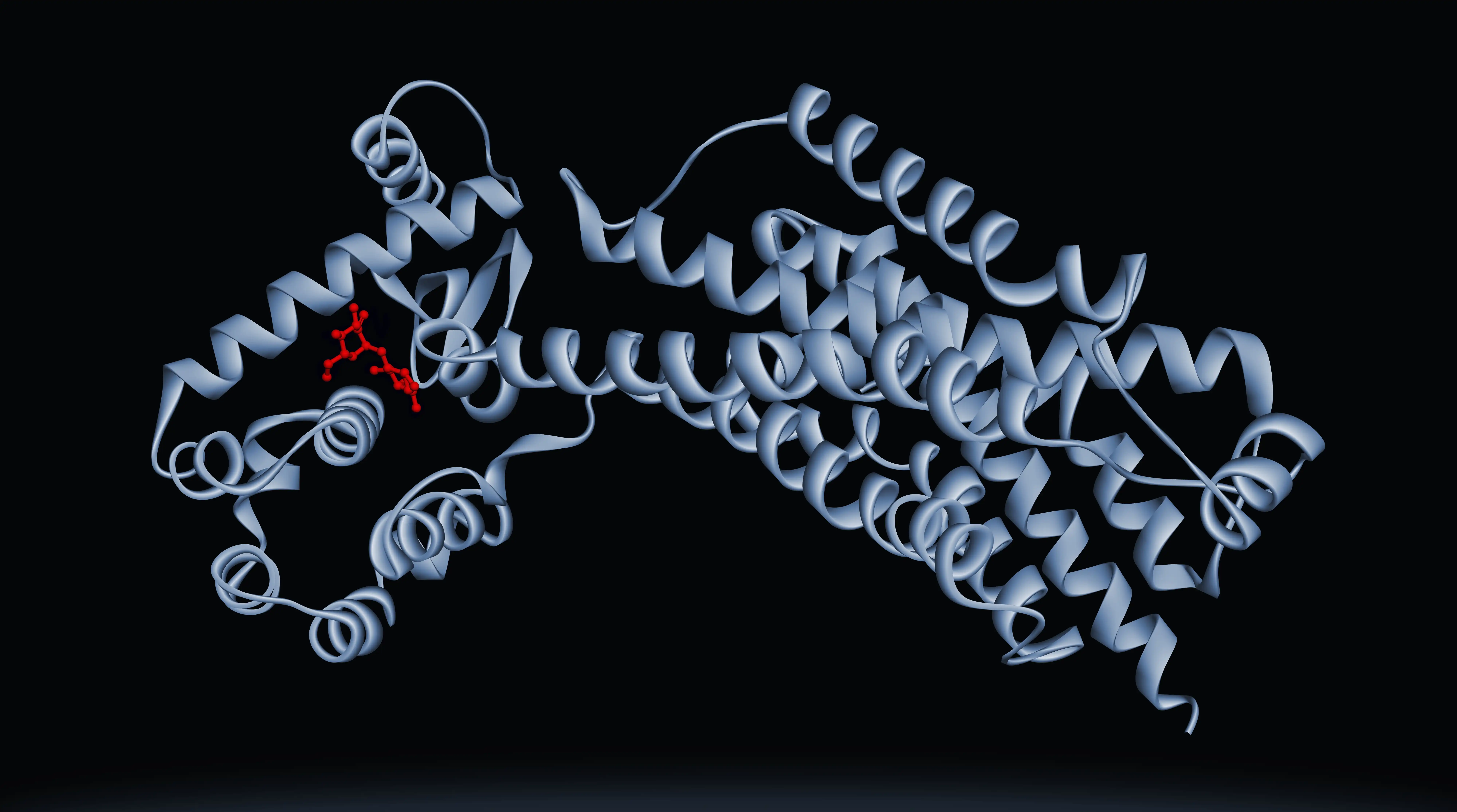
At the heart of the approach are proteins called G protein-coupled receptors (GPCRs). Found throughout the body, they act as tiny receivers that pick up signals and pass messages into cells. They help control everything from brain function and metabolism to hormones and the immune system.
As we grow older, these signals can become disrupted. The changes are linked to several processes associated with ageing including chronic inflammation, declining energy production and the build-up of damaged cells.
The researchers propose developing medicines that target whole networks of these receptors rather than focusing on a single receptor or disease. By restoring a healthier balance across the body, such treatments could potentially address several of the processes that contribute to declining health at the same time.
Many existing medicines already work by targeting GPCRs to treat individual conditions. What makes the proposed approach different is the ambition to influence several interconnected biological processes at once.
The researchers suggest that future treatments could be designed to restore healthy signalling across different parts of the body. They could also be combined with other emerging therapies aimed at reducing inflammation, repairing damaged tissues or improving metabolism.
Professor Stuart Maudsley from the H Lee Moffitt Cancer Center & Research Institute in Florida is the senior author of the study.
He said: “What’s most exciting about this network-level GPCR approach is its ability to influence many of the biological systems that change with age at the same time.”
The potential benefits could extend beyond Alzheimer’s and Parkinson’s to cardiovascular disease, cancer and diabetes. All are linked to biological changes that become more common as people grow older.
The approach remains a proposal for future drug development. More research is needed to establish whether targeting these networks can safely delay disease or extend the number of years people spend in good health.

Artificial intelligence could play an important role in turning the research into new medicines.
The body's signalling networks are enormously complex and vary from person to person. AI could help scientists analyse this complexity and identify combinations of treatments suited to an individual’s biology.
Rather than offering everyone the same treatment, future medicines could be tailored to the particular biological changes driving a person’s declining health.
The researchers suggest that combining AI with advances in biotechnology and precision medicine could make it possible to develop more personalised treatments focused on preventing illness before it develops.
Professor Ladds, who is also Co-Director of the Cambridge Academy of Therapeutic Science and Director of Cambridge's MPhil in Therapeutic Science, said: “By leveraging advances in biotechnology, systems pharmacology, and AI, future GPCR-based therapies could transform the way we approach aging, bringing us closer than ever to a world where diseases such as Alzheimer’s disease, diabetes, and cardiovascular diseases are no longer seen as inevitable, but as preventable or treatable conditions.”
Dr Silke Dodel, a co-author affiliated with AstraNexa, Deep Science LLC and Florida Atlantic University, said the ability to personalise treatments was one of the most promising aspects of the research.
By using AI alongside scientific expertise and experimental testing, researchers hope to identify the changes driving disease in different people and find ways to restore healthier biological function.
Although significant work lies ahead, the scientists say the approach could eventually shift medicine away from treating individual illnesses towards preventing several conditions before they take hold.
The ultimate goal is not simply to extend life but to help people remain healthy and independent for more of it.
Reference: Network-level control of G protein-coupled receptors: a panacea for chronic diseases? by Maudsley et al. Published in Frontiers in Science, 22 October 2026.