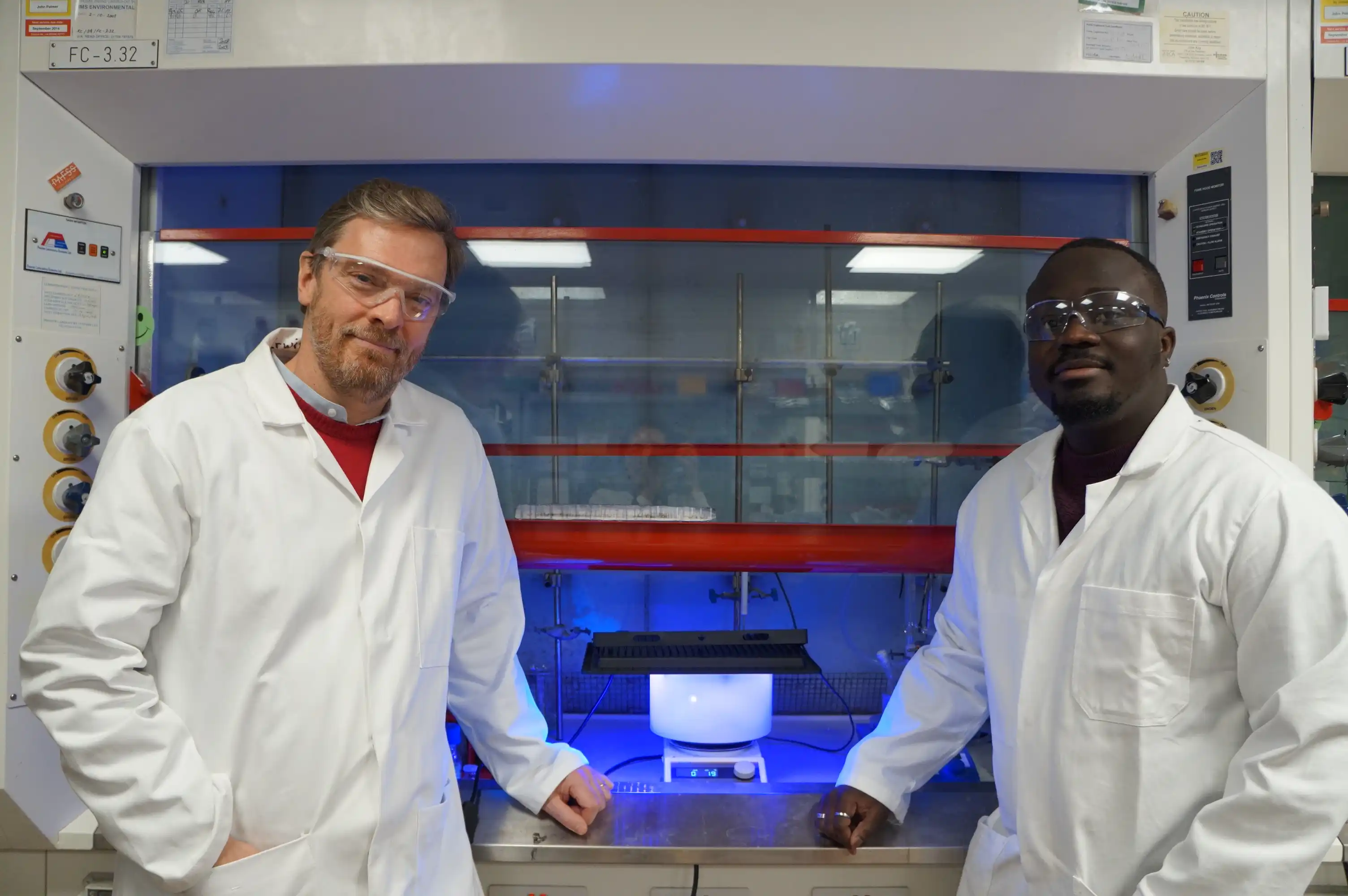
The reactor developed by researchers at the University of Cambridge converts acid recovered from old car batteries and hard-to-recycle plastic waste – such as drinks bottles, nylon textiles and polyurethane foams – into clean hydrogen fuel and valuable industrial chemicals.
The scientists say their method could create a circular system where one waste stream solves another. This could be a cheaper, more sustainable alternative to current chemical-based recycling methods.
“The discovery was almost accidental,” said Professor Erwin Reisner, Professor of Energy and Sustainability and Fellow of St John’s, who led the research. “We used to think acid was completely off limits in these solar-powered systems, because it would simply dissolve everything. But our catalyst developed didn’t – and suddenly a whole new world of reactions opened up.”
Global plastic production is more than 400 million tonnes per year, yet only 18 per cent is recycled. The rest is burned, landfilled, or leaks into ecosystems. The researchers say their method, known as solar‑powered acid photoreforming, could become part of the solution to the global mountain of plastic waste.
The scientists from the Yusuf Hamied Department of Chemistry engineered a photocatalyst that is robust enough to withstand the highly corrosive effects of acid, while making productive use of the acid inside spent car batteries, which is normally neutralised and discarded. Their results are reported in the journal, Joule.
“Acids have long been used to break plastics apart, but we never had a cheap and scalable photocatalyst that could withstand them,” said lead author Kay Kwarteng, a PhD candidate in Reisner’s research group, who developed the photocatalyst. “Once we solved that problem, the advantages of this type of system became obvious.”
The method developed by Kwarteng, Reisner and their colleagues first treats waste plastics with the car battery waste acid, breaking the long polymer chains into chemical building blocks such as ethylene glycol, which the photocatalyst then converts into hydrogen and acetic acid (the main ingredient in vinegar) when exposed to sunlight.
“This shows how waste can become a resource. The fact we can create value from plastic waste using sunlight and discarded battery acid makes this a really promising process”
In laboratory tests, the reactor generated high hydrogen yields and produced acetic acid with high selectivity. It also ran for more than 260 hours without any loss in performance.
The approach works for multiple types of plastic waste, even those that are currently tough to recycle, such as nylon and polyurethane. This offers a real advancement to current upcycling technologies that do not cover plastics beyond PET.
The approach works not just with new, laboratory-grade acid, but with the acid recovered from car batteries. These batteries contain between 20-40 per cent acid by volume, and are replaced worldwide in huge numbers every year. The lead in these batteries is typically extracted for resale, but the acid creates extra waste once it is safely neutralised.
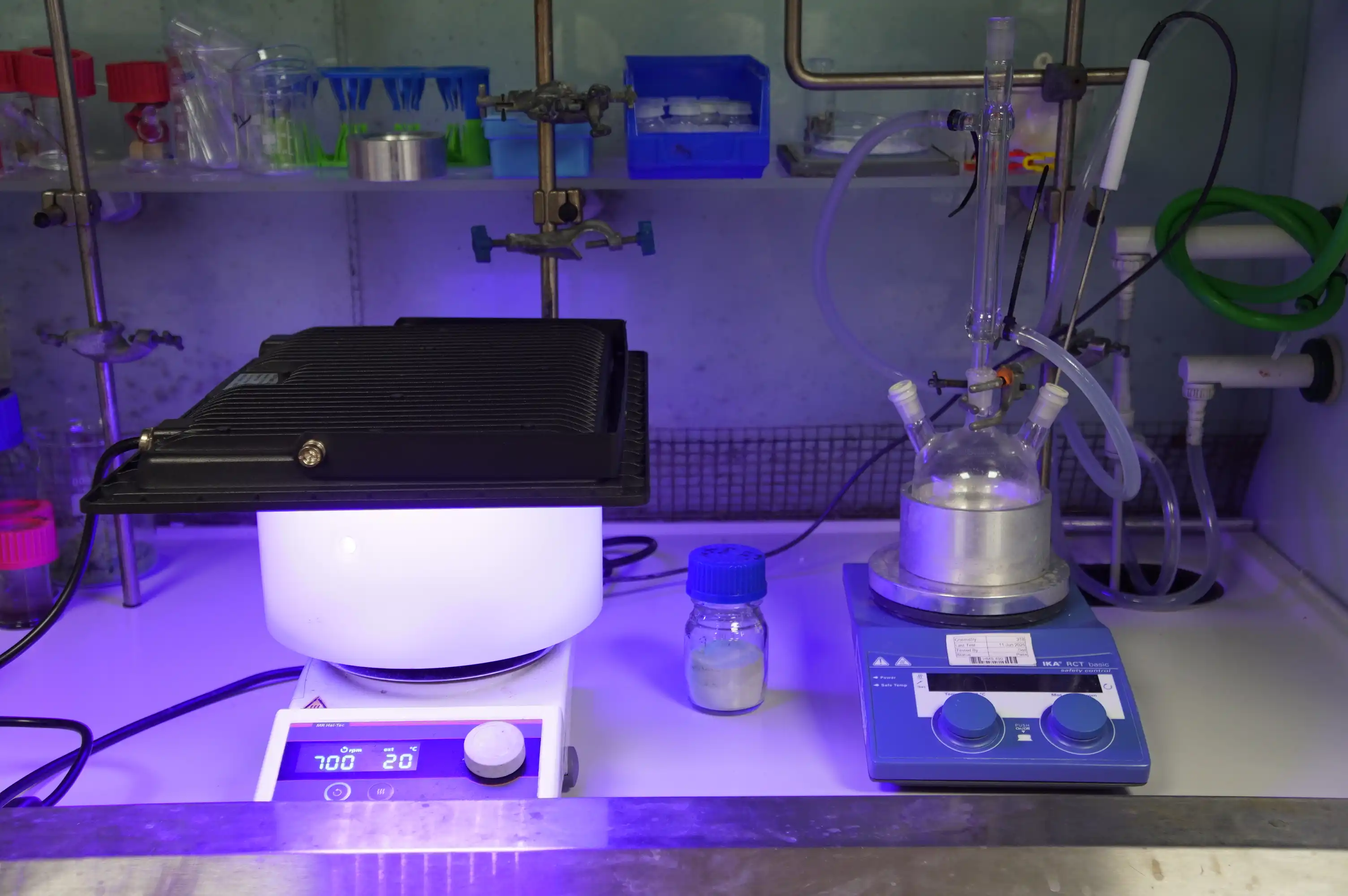
“It’s an untapped resource,” said Kwarteng. “If we can collect the acid before it’s neutralised, we can use it again and again to break down plastics: it’s a real win-win, avoiding the environmental cost of neutralising the acid, while putting it to work generating clean hydrogen.”
The researchers say their method offers a potential order‑of‑magnitude cost reduction compared with other photoreforming approaches, largely because the acid enables increased hydrogen production rates and can be reused rather than consumed or wasted.
Kwarteng says that although challenges remain – such as ensuring reactors can withstand corrosive conditions – the fundamental chemistry is sound. “These acids are already handled safely in industry,” he said. “The question now is engineering: how do we build reactors that can run continuously and handle real‑world waste?”
The researchers say that their approach won’t replace conventional recycling, but it could complement it by handling contaminated or mixed plastics that currently have no viable route to reuse.
“We’re not promising to fix the global plastics problem,” said Reisner. “But this shows how waste can become a resource. The fact we can create value from plastic waste using sunlight and discarded battery acid makes this a really promising process.”
The team plans to commercialise this process with the support of Cambridge Enterprise, the University’s innovation arm, and with a UKRI Impact Acceleration Account. The research was supported in part by the Cambridge Trust, the Royal Academy of Engineering, the Leverhulme Trust, the Isaac Newton Trust, and the Engineering and Physical Sciences Research Council (EPSRC), part of UK Research and Innovation (UKRI).
Papa K. Kwarteng et al. ‘Solar Reforming of Plastics using Acid-catalyzed Depolymerization.’ Joule (2026). DOI: 10.1016/j.joule.2026.102347